6 Reasons Women Over 45 Can't Hold It as Long as They Used To — And What Actually Helps
It isn't "just getting older" or drinking too much water — the real culprit sits in the muscle doing two thirds of the work, and most routines never touch it.

 💪 It's muscle
1
💪 It's muscle
1
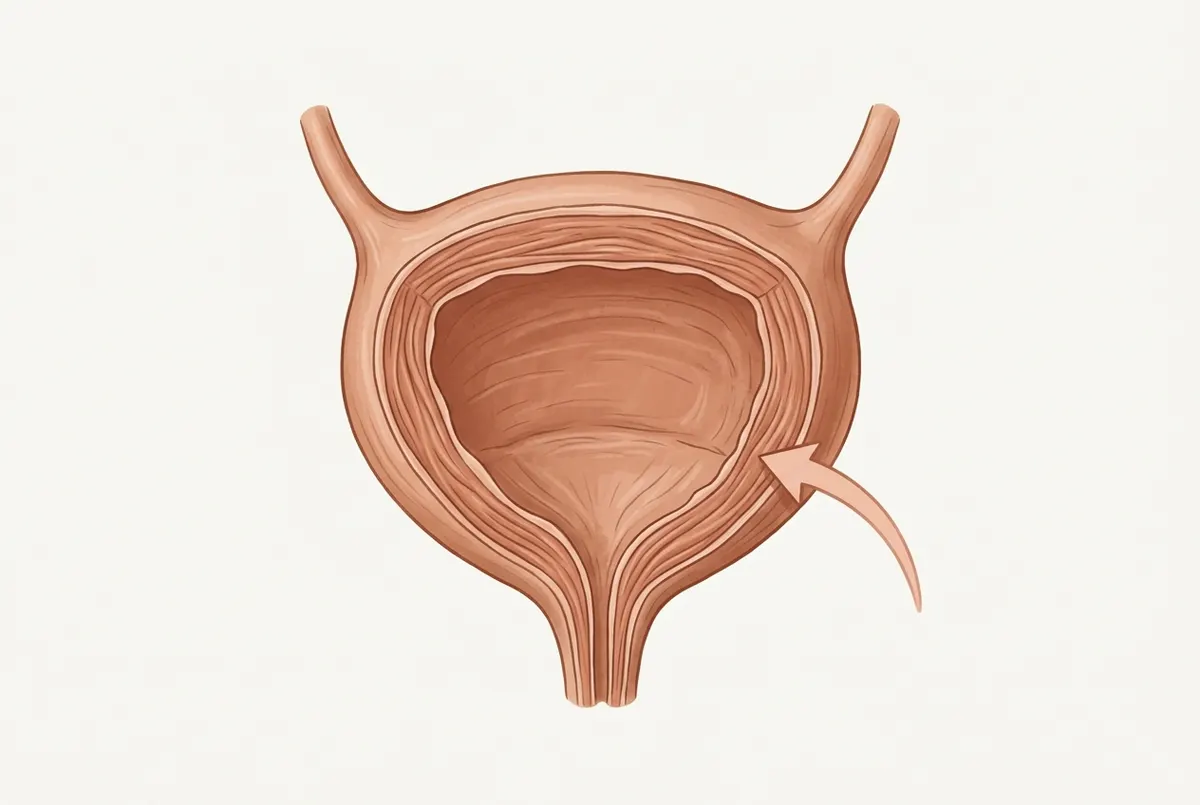
Your Bladder Is Mostly Muscle — and Muscle Weakens With Age
Here's the part nobody mentions: your bladder is roughly two thirds muscle. Like every other muscle in your body, it loses a little tone each year unless something supports it. So when holding it gets harder after 45, it isn't a character flaw or too much coffee — the muscle doing the work is simply weaker than it was. Most routines never touch that muscle at all.
 🧬 Tissue thins
2
🧬 Tissue thins
2
The Menopause Drop Thins the Tissue That Holds the Seal
As oestrogen falls through menopause, the tissue lining the bladder and its supporting walls gets thinner and less springy. That lining is part of what keeps everything sealed and settled between trips. When it loses elasticity, urgency and small leaks creep in — the laugh, the sneeze, the quick jog to the loo. It isn't bad luck. It's a quiet change in the tissue almost every woman over 45 goes through.
 💧 Don't ration water
3
💧 Don't ration water
3
Cutting Back on Water Makes the Urge Worse, Not Better
The instinct is to drink less so you go less. It backfires. Concentrated urine irritates the bladder lining, which actually sharpens that nagging need-to-go feeling. You end up dehydrated and still racing to the bathroom. Managing fluids has its place, but it's a workaround — it never addresses why the urge got loud in the first place.
Calm the Urge 🌙 Fewer wake-ups
4
🌙 Fewer wake-ups
4
The Nighttime Waking Isn't Your Bladder — It's the Signal
Waking two or three times a night to go isn't always about how full you are. The brain and bladder talk constantly, and that conversation runs on nutrients like vitamin B6, which helps keep the nervous system's signalling steady. When the signalling gets noisy, your bladder cries wolf while you're trying to sleep.
Support the communication, and the midnight trips often ease — not because you're producing less, but because the false alarms quiet down. For women already riding out broken menopause sleep, that single change can be the difference between a groggy day and a settled one.
Sleep Through the Night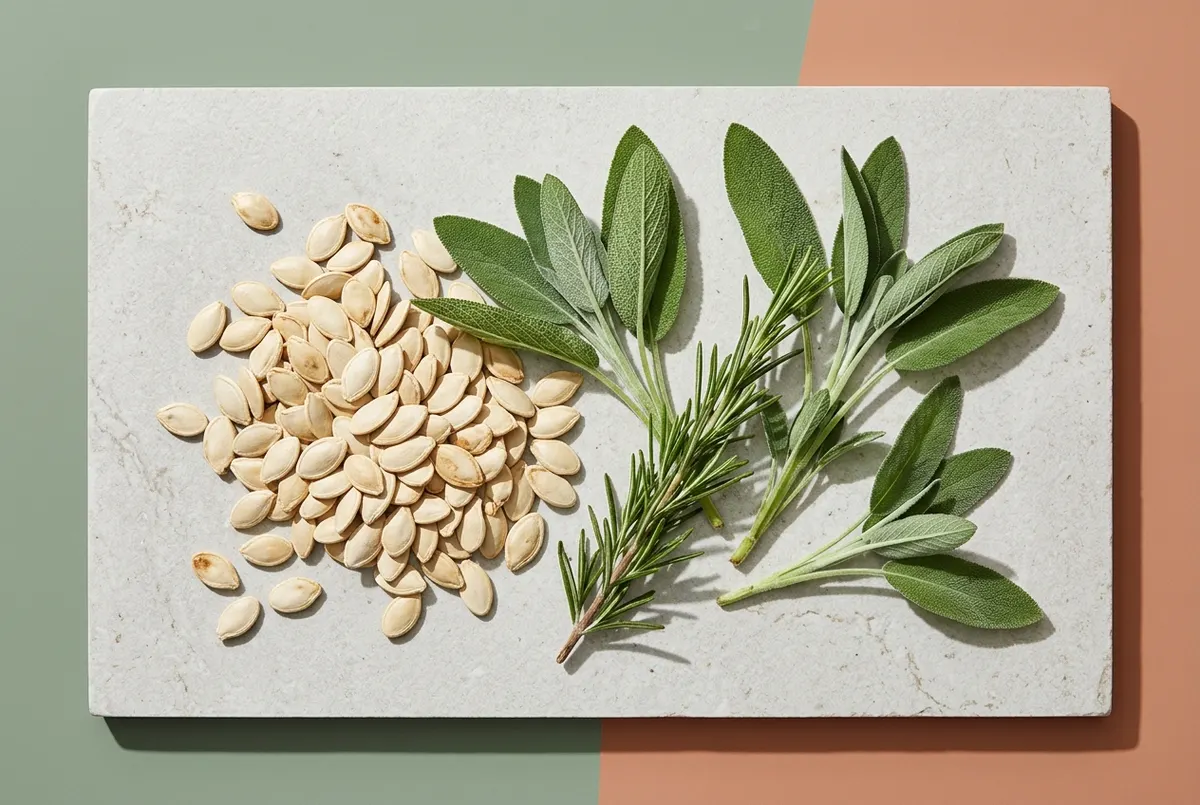 🌿 Treat the cause
5
🌿 Treat the cause
5
Most Routines Soothe the Symptom and Ignore the Muscle
Pads, pelvic apps, timed toilet runs manage the moment. They leave the muscle and tissue exactly as weak as they found them. What actually moves the needle are ingredients studied for this specific job. The standouts worth looking for on any label:
- Pumpkin seed extract — backed by over 347 studies and decades of research, it's linked to supporting bladder muscle tone.
- Soy germ, which helps nourish and maintain the protective bladder lining as oestrogen drops.
- Sage and rosemary, studied for supporting the natural elasticity of the bladder wall.
The lesson: a supplement that ignores the muscle is treating the alarm, not the wiring.
See What Works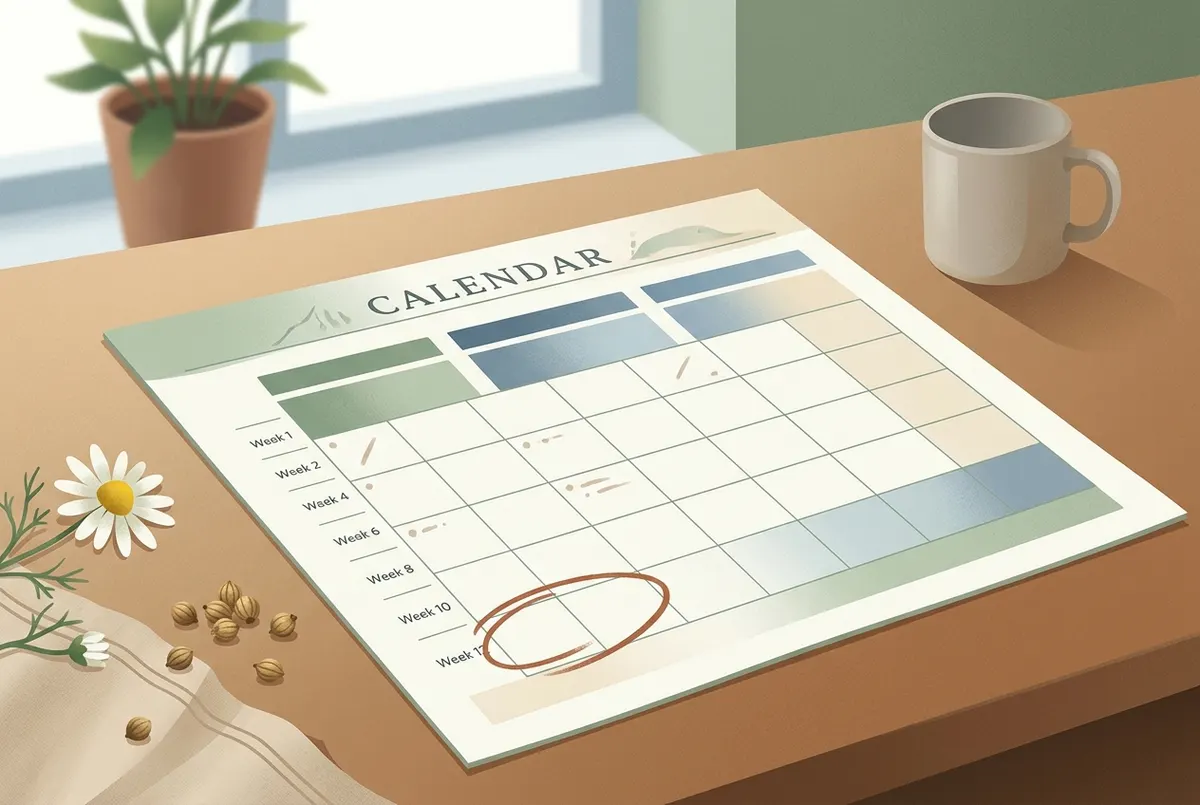 📅 Give it 12 weeks
6
📅 Give it 12 weeks
6
Real Change Takes About 12 Weeks — and That's Fine
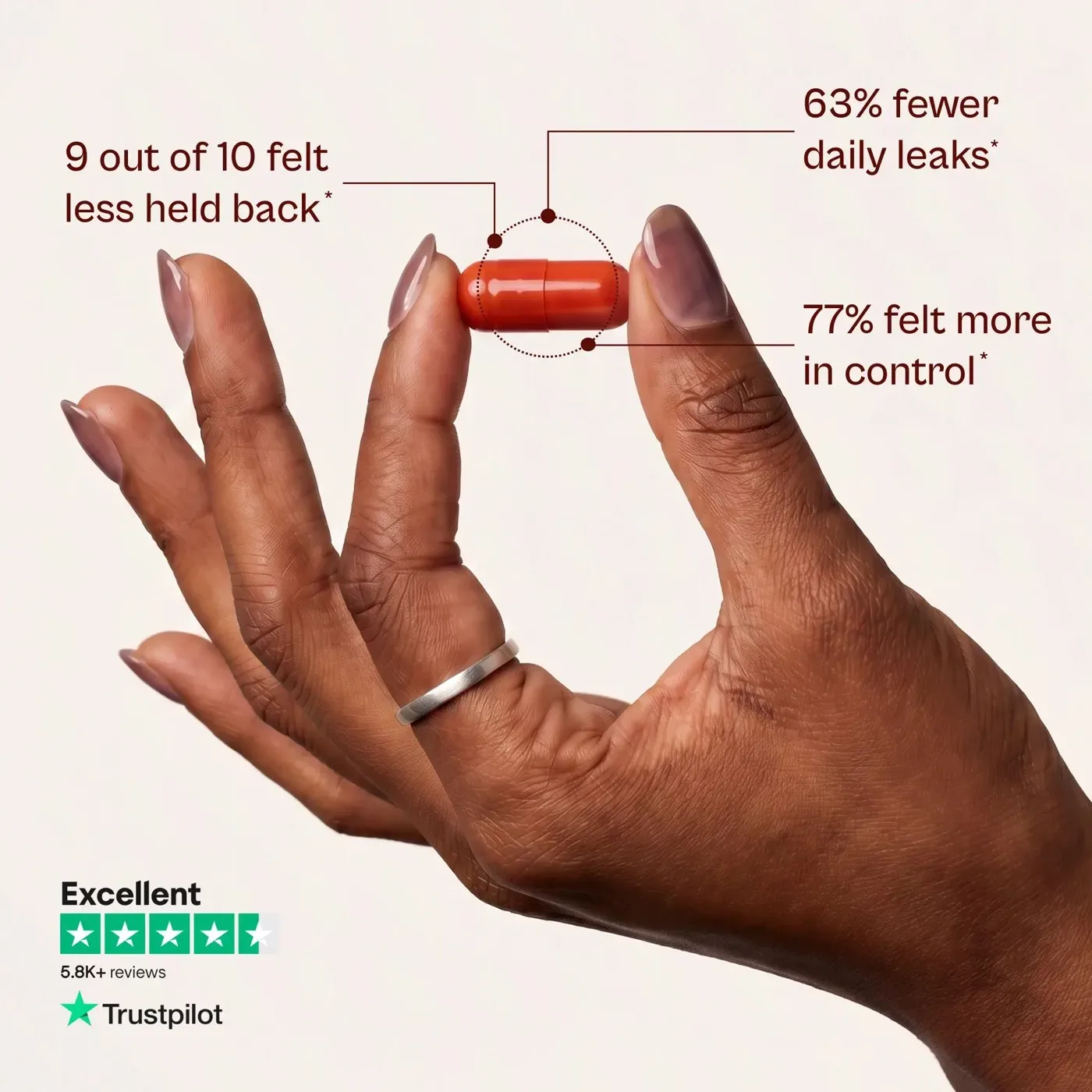
Rebuilding tone and tissue is biology, not a switch. The research in this category consistently points to a 12-week window before most women notice a real difference — fewer trips, calmer urges, more confidence to laugh and move. In studies of this approach, roughly 83% of women saw results by that mark. A product promising overnight miracles is telling you it isn't working on the muscle at all.
Start the 12 WeeksMeet Jude
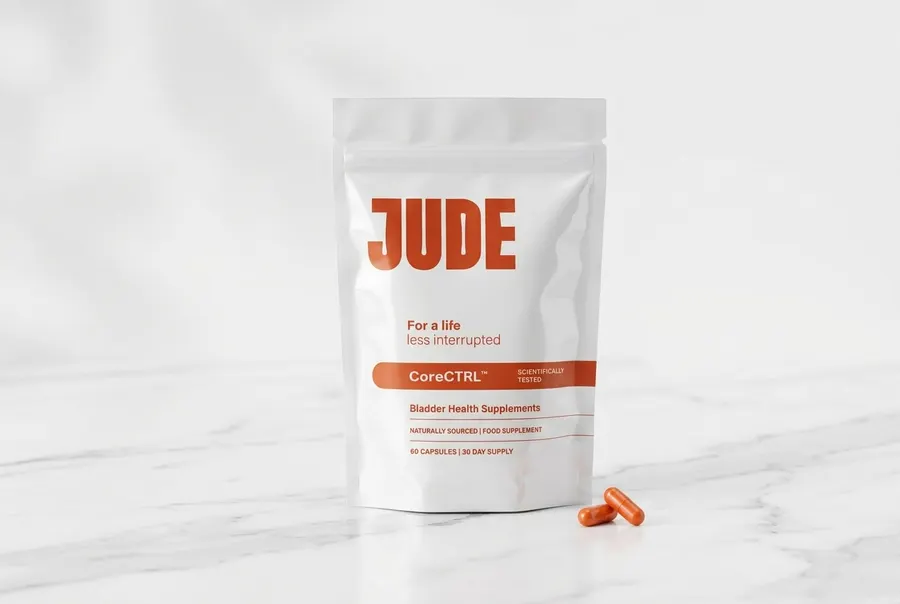
Jude is built around exactly those boxes.
It pairs Austrian pumpkin seed and soy germ at clinically studied doses with sage, rosemary, vitamin B6 and a precision probiotic that helps the body actually absorb the soy.
It's the only UK bladder supplement validated with a Real World Evidence study, third-party tested, and backed by a clinician board of gynaecologists and pharmacologists. That's clinical rigour. No prescription, discreet delivery, and in its studies 83% of women saw results after 12 weeks.
Start Supporting the Muscle That Does the Work
From Real Customers
The 12-week mark is where the stories tend to turn. Like Paula, Mandy, and Chrissie below — women who had spent years mapping their day around the nearest loo and found their confidence returned after 12 weeks.
Ready to Start?

Questions women ask before starting
The honest questions come up every time: will it really work for me in 12 weeks, is this going to cost a fortune long-term, and I'm sensitive to soy — is that a problem? Here's the plain answer to each.